


Why Business Setup in Saudi Costly Compare then UAE

Starting a business in the Middle East offers exciting opportunities, but the cost of setting up a company can vary greatly depending on the country. While both countries offer strong markets and investor friendly reforms, the cost of business setup in Saudi Arabia is often higher due to its emphasis on larger-scale investments, long-term sustainability and regulatory depth that ensures business quality and compliance.
In this blog, we’ll explore the key factors that contribute to the cost of business registration in Saudi Arabia and how it compares with the UAE. By understanding these elements, entrepreneurs and businesses can make informed decisions, especially when they are planning a Saudi company setup for their long-term success.
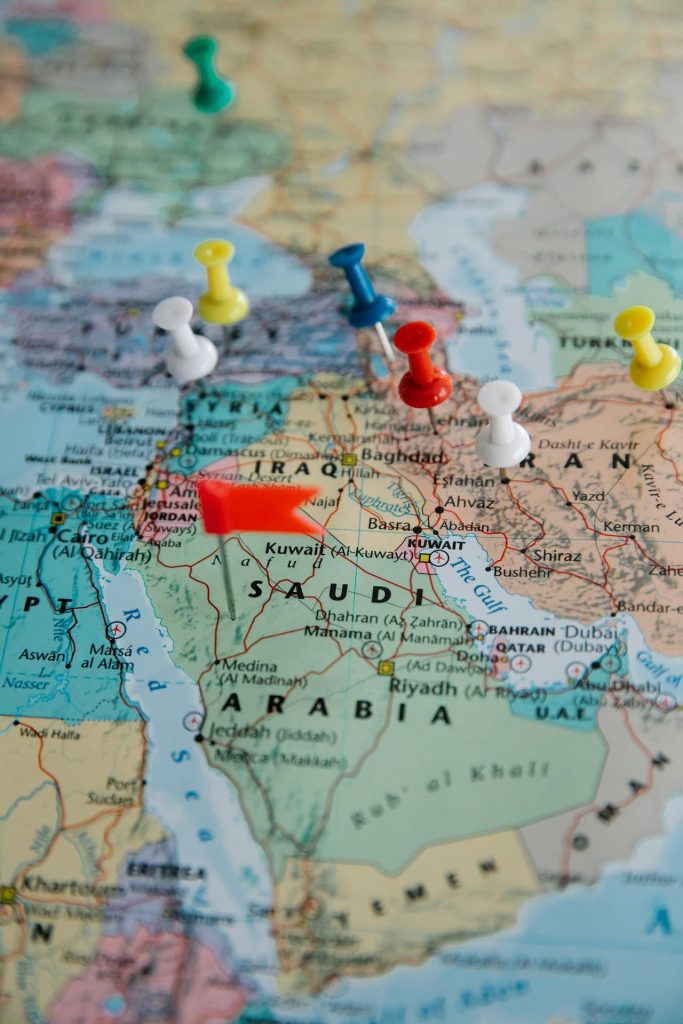
A Basic Overview of the UAE and Saudi Arabia
Choosing between the UAE and Saudi Arabia for your business involves understanding the underlying differences that define their business environments. Below are some of the key differences to enable you to compare the two markets in 2025 –
| Category | UAE | Saudi Arabia |
| Country Type | Federation of seven emirates | Largest country in the Gulf region |
| Setup Time | 2–4 weeks | 6–8 weeks |
| Setup Cost (Approx.) | AED 10,000 – 50,000 (USD 2,700 – 13,000) | SAR 50,000 – 150,000 (USD 13,300 – 40,000) |
| Corporate Tax | 0% up to AED 375,000 | 20% flat rate |
| Value-Added Tax (VAT) | 5% | 15% |
| Foreign Ownership | 100% in free zones | Up to 100% in certain sectors |
| Capital Requirements | Usually no minimum for free zones | SAR 30M for 100% foreign-owned trading companies |
1. Company Registration Fees and Licensing Costs
One primary reason why commercial registration in Saudi Arabia is more expensive is because of government fees and licensing rules. The business setup in Saudi Arabia has multiple tiers of compulsory licensing. For instance, company registration of a limited liability company (LLC) with the Ministry of Commerce and obtaining a MISA license for overseas companies can be significantly higher compared to a comparable license from the UAE Department of Economic Development (DED).
In the UAE, registering a company in the mainland or free zones is highly competitive and tend to come with full packages. Saudi Arabia also has additional fees for foreign firms, such as document attestation and compulsory membership with the Chamber of Commerce. Such additional costs are cumulative and make it more costly to establish a company in Saudi Arabia.
2. Foreign Ownership and Capital Requirements
Saudi Arabia has improved the process of foreign ownership in most sectors, though certain sectors remain restricted. In most instances, companies have to invest a significant amount of money in order to begin operations which further varies with the business and ownership percentage by foreign investors. There is even another situation where certain sectors require a minimum Saudi shareholding, thus making it difficult and increasing the setup cost.

In comparison, the UAE now allows 100% foreign ownership in most business areas. This means investors no longer need a local sponsor, saving money and avoiding extra paperwork. Many UAE free zones also don’t ask for a minimum capital deposit, making them a more affordable choice for small businesses and startups.
3. Saudization and Hiring Obligations
The Nitaqat program in Saudi Arabia mandates businesses to recruit a certain number of Saudi nationals, based on the company size and industry. This rule helps boost local employment but can also raise costs, as hiring Saudi employees is often more expensive than hiring expats. If companies don’t follow these rules, they may face fines which further adds to the cost of business setup in Saudi Arabia.
In contrast, the UAE provides a more liberal labor market with fewer restrictions on the recruitment of expatriate personnel, with lower operational expenses and easier HR procedures. This provides easier access to the UAE for startups and SMEs with limited assets.
4. Office Space and Physical Presence Requirements
In Saudi Arabia, most businesses are required to have a physical office space to obtain a commercial license. However, leasing commercial property in cities like Riyadh or Jeddah can be costly with annual rents often starting at SAR 50,000 or more. This physical presence requirement imposes a substantial cost on the Saudi company setup process.
The UAE, however, provides more flexible options such as virtual offices or flexi-desk arrangements in the free zones. These provide the business with an option to have a presence without incurring the expense of renting office space. Even in the mainland UAE, co-working spaces and shared offices are readily available at affordable prices which makes it convenient to maintain costs in the initial setup period.
5. Government Regulations and Approvals
The regulatory framework in Saudi Arabia entails several levels of approval from various agencies like MISA, Ministry of Commerce, the Chamber of Commerce and municipality offices. Each one of these processes entails documentation, review period and sometimes extra charges.
In contrast, the UAE has a more streamlined process, where a single authority often handles all aspects of business registration. The UAE’s efficient systems and online portals reduce bureaucratic hurdles, allowing businesses to launch faster and at a lower cost.
6. Visa and Sponsorship Costs
The cost of getting employment and investor visas, along with sponsorship rules differs between Saudi Arabia and the UAE. Both countries require visas for expat workers, but Saudi Arabia has extra charges like expat levies and limits on how many expats a business can hire. These rules increase the overall cost of managing a diverse workforce.

On the contrary, the UAE has less expensive visa alternatives, particularly under free zones that come with package visas for several employees at competitive rates. This reduces visa costs but also keeps overall employee hiring and retention costs low for companies.
7. Banking and Financial Compliance
Opening a business bank account in Saudi Arabia can take time and may cost more. This is because banks require a lot of documents and follow strict rules to check your background (KYC process). Some banks also ask for a high minimum balance, which means more money is locked up during company formation in Saudi Arabia.
In the UAE, banking is easier and quicker. There is less documentation and a lot of free zones cooperate with banks to enable new companies to open accounts promptly. This saves investors time and money while setting up the company.
Conclusion
Both Saudi Arabia and the United Arab Emirates are making great efforts to build strong economies, but by different means. The UAE focuses on speed, word-class infrastructure and global accessibility, making it a top choice for entrepreneurs. Saudi Arabia, meanwhile, is unlocking vast potential through the Vision 2030 plan to attract foreign investors.
Both nations present big opportunities for business success. But it is not easy to start a business in the Gulf by merely obtaining a license. You also require a good insight into local laws, employment policies and the way the market functions.
That’s where Express Business Service comes in. We offer comprehensive consultation and end-to-end support for business registration in Saudi Arabia. Contact us today to explore the best options for your business setup journey.


