


Understanding KSA Iqama Transfer Rules

Navigating the rules and regulations of the iqama transfer process can seem challenging at first. However, understanding these rules is essential for anyone holding an Iqama In Saudi Arabia. Whether you’re wondering how to transfer sponsorship in Saudi Arabia or concerned about how many times iqama can be transferred, here we will walk you through every step.
We will examine the new rules for foreign workers, conditions to transfer services without employer consent, ways to check your mol KSA iqama status, and even cover topics such as how to renew iqama without Kafeel. For those in need of swift assistance, services like Express Business Service can be invaluable. Let’s break down the process into easy-to-understand sections.
What Is An Iqama Transfer?
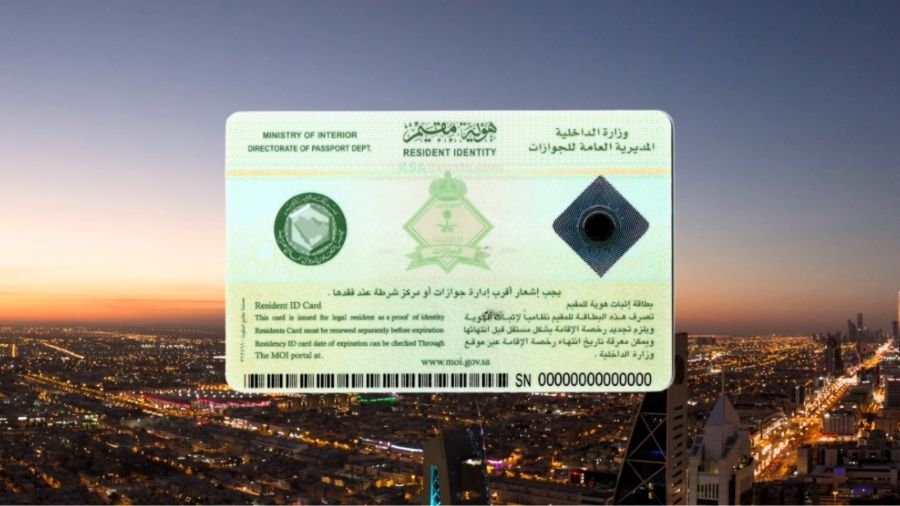
An iqama is a residence permit that gives permission to immigrants to live and operate in Saudi Arabia. An iqama transfer is the process by which a worker changes their sponsorship from one employer to another. This change is critical for those who wish to switch jobs or update their personal information in the official records.
The iqama transfer process involves submitting the required documents, obtaining approvals from the relevant government agencies, and updating your records to reflect your new sponsor. Ensuring a smooth transfer is key to maintaining legal status and uninterrupted work life in the Kingdom.

Iqama Transfer New Rules For Foreign Workers

In recent years, the Saudi government has introduced reforms to modernize labor policies and provide more flexibility for foreign workers. These changes are designed to improve the work environment and make it easier for expatriates to manage their careers.
For example, new regulations have clarified how to transfer sponsorship in Saudi Arabia and set limits on how many times iqama can be transferred within a certain period. These reforms are intended to reduce bureaucracy and offer workers greater freedom in choosing and changing their employers without undue delays.
Conditions To Transfer Services Without Employer Consent

Traditionally, transferring sponsorship required the explicit consent of the current employer. However, under the new rules, there are circumstances where a worker can transfer their iqama without needing their employer’s approval.
This option is particularly useful in cases where the employer may not be cooperative or where the worker faces unfair treatment. The conditions usually involve demonstrating that the transfer is in the best interest of the worker and meets specific legal criteria. Understanding these conditions is crucial if you’re considering your options, as it can help you determine whether you qualify to move forward with the transfer independently.
How To Check Iqama Transfer Status?

Once you have initiated the transfer process, it’s vital to keep track of your application. You can check your mol KSA iqama status online through official government portals. These portals provide real-time updates and enable you to comprehend where your application stands in the procedure.
By regularly checking your status, you can quickly handle any problems or uncertainties that might appear. Additionally, you can seek guidance from your new sponsor or contact Express Business Service if you require further assistance in navigating the system.
How Much Will You Be Charged?

Fees are an inevitable part of the iqama transfer process. The costs can vary based on several aspects such as the type of job, the employer’s profile, and whether any expedited services are required. Typically, the government sets standard fees for processing the transfer, and additional charges may apply if you opt for faster processing through services like Express Business Service.
It’s advisable to budget for these expenses and ensure that all payments are made promptly to avoid any delays in the process. Being aware of the fee structure beforehand helps in planning your finances effectively during the transition.
When Is Your Transfer Request Rejected?

While many transfer requests are approved smoothly, there are situations in which your request might be rejected. Common reasons for rejection include incomplete or incorrect documentation, failure to meet the eligibility criteria, or issues related to the previous employer’s obligations.
It is vital to examine the provisions carefully and double-check all documents before submission. If your request is rejected, you should receive an explanation from the authorities, which will guide you on the necessary corrective steps. Taking prompt action in response to a rejection can enable you to reapply successfully in the future.
What To Do When Stranded?

Sometimes, despite following the process diligently, unforeseen circumstances can leave you in a difficult position—often referred to as being “stranded.” This situation might arise if there are prolonged delays in processing, or if your transfer request gets stuck in administrative limbo.
In such cases, it’s important to remain proactive. You can consult legal experts or reach out to Express Business Service, which specializes in assisting workers through these challenges. They can provide expert advice, help resolve issues with the authorities, and guide you on the best course of action to regain control of your situation.
Applying For An Iqama Transfer Online

The iqama transfer process has been significantly streamlined with online applications. This digital system allows you to submit all necessary documentation and track your application from the comfort of your home. The online portal is user-friendly and delivers clear instructions on the required steps.
If you’re wondering how to transfer sponsorship in Saudi Arabia using digital tools, this online process is your answer. Simply gather your documents, fill out the application form accurately, and upload the required files. Once submitted, you can monitor the progress through the official portal and receive notifications at each stage of the process.
Iqama Transfers for Domestic Workers

Domestic workers also fall under the iqama transfer rules, though the process may differ slightly compared to other sectors. The requirements for domestic workers are often streamlined to address the unique nature of their employment. It’s vital for both the worker and the employer to adhere to the established guidelines to confirm a seamless transfer.
Whether you’re a domestic worker or managing one, understanding these nuances is critical. In many cases, specialized assistance through services like Express Business Service can simplify the process and help clarify any doubts about the transfer rules.
Final Words
Understanding the iqama transfer process is essential for anyone working in Saudi Arabia. With clear steps and a well-defined procedure, the new rules are designed to offer more flexibility and transparency for foreign workers. From learning how to transfer sponsorship in Saudi Arabia to discovering how many times iqama can be transferred and even how to renew iqama without Kafeel, being informed is your best tool.
Whether you are initiating your transfer, checking your mol KSA iqama status, or exploring the possibility of a service transfer without employer consent, remember that knowledge is power. Make use of online portals, consult with experts, and if needed, rely on services like Express Business Service to help you navigate the complexities.
By staying proactive and well-informed, you can ensure that your iqama transfer is a smooth and successful process, securing your right to work and live in Saudi Arabia with confidence.
Also Read: National Address KSA – Your Gateway To Seamless Operations


