


Eid al-Adha 2025: Date, Significance, and Traditions Explained

One of the most significant holidays in the Islamic calendar is Eid al-Adha, also known as the Festival of Sacrifice. Eid al-Adha, which takes place months after Eid al-Fitr, the festive celebration that ends Ramadan, builds on the spiritual significance of fasting during the month of Ramadan by uniting families and communities in remembrance of Prophet Ibrahim’s supreme act of faith.
When Eid al-Adha 2025 draws near, this thorough guide will examine the holiday’s date, religious significance, historical foundations, international customs, and contemporary celebrations. We’ll highlight how Express Business Service helps companies send Eid greetings and plan festive events along the way.
Eid al-Adha Date 2025
Date: Thu, Jun 5, 2025 – Mon, Jun 9, 2025
When is Eid al-Adha 2025?
Depending on the moon sighting, Eid al-Adha 2025 is predicted to take place on the evening of Wednesday, Thu, Jun 5, 2025 and last until Mon, Jun 9, 2025. Islamic holidays are based on the lunar Hijri calendar, and each nation’s moon-sighting committees formally confirm this. Official announcements will be made a day or two in advance in many areas, allowing families and organizations, including Express Business Service, to make last-minute holiday plans, send greetings, and organize community events.
Mosques and neighborhood nonprofits usually start planning a week in advance, announcing prayer times, setting up tents or outdoor mosques for Eid gatherings, and organizing animal sacrifices in accordance with Shariah regulations.
The Religious Significance of Eid al-Adha – The Festival of Sacrifice

Eid al-Adha, also known as the Eid al-Adha festival of sacrifice, honors Prophet Ibrahim’s (Abraham in Judeo-Christian tradition) unshakable faith when Allah gave him the order to sacrifice his cherished son, Ismail (Ishmael). Islam holds that Ibrahim showed the utmost devotion by preparing to obey. Allah stepped in at the last second and substituted a ram for Ismail, signifying forgiveness and the fruit of faith.
The religious significance of Eid al-Adha is rooted in this tale. The festival emphasizes themes of divine compassion, sacrifice, and submission. Muslims all across the world demonstrate their commitment to prioritizing God, even in the face of personal adversity, by performing the sacrifice. To remind worshippers of these spiritual teachings, state and religious organizations organize special sermons, or khutbahs, in many nations with a majority of Muslims.
What is the meaning of Eid al-Adha? The Story Behind Eid al-Adha

The literal translation of Eid al-Adha is “Festival of Sacrifice.” It acts as a yearly reminder of both Ibrahim’s religion and more general Islamic principles –
1. Taqwa (God-consciousness) – Shows how important it is to always fear Allah.
2. Sabr (Patience) – Even in the face of challenging orders, Sabr (Patience) emphasizes surrender and faith in divine wisdom.
3. Karama (Generosity) – Since the sacrificial meat is shared with family, friends, and the less fortunate, Karama (Generosity) promotes giving to the less fortunate.
Following the Fajr (dawn) prayer, Muslims assemble for the Eid prayer on the tenth day of Dhu al-Hijjah, the last month in the Islamic calendar. Households perform the Qurbani (sacrifice) after the sermon, making sure that a third of the meat is given to the poor, a third to friends and neighbors, and the remaining portion is kept for the household.
How Eid al-Adha is Celebrated Around the World
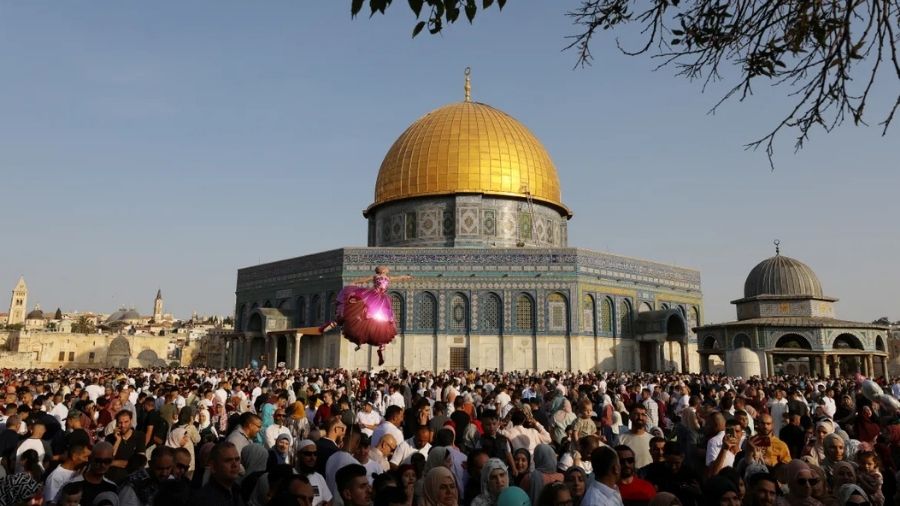
Cultures celebrate Eid al-Adha differently, despite sharing a common religious story.
1. Middle East (Saudi Arabia, United Arab Emirates, Egypt) – lavish family feasts, public and private Qurbani centers, and large mosque congregations. Millions of people in Mecca combine the Hajj pilgrimage with the Grand Mosque’s Eid prayers.
2. South Asia (Bangladesh, India, and Pakistan) – Neighborhoods share sweet seviyan and home-cooked biryanis, halal butchers swarm the streets, and decorative marketplaces sell brand-new clothing.
3. Southeast Asia (Indonesia, Malaysia) – Eid eve processions, vibrant street festivals, communal cooking stations that serve rendang and ketupat, and community Takbiran (Allah-u Akbar chants).
4. Africa (Nigeria, Egypt, Morocco) – ceremonial animal purchases at local markets called “livestock fairs,” intricate henna designs, and traditional drumming.
5. Europe and North America – Muslim community centers host charity drives, potluck meals, and cultural events after mosque gatherings.
Express Business Service helps multinational corporations manage event logistics for international corporate celebrations and customize Eid marketing campaigns by modifying images and messaging to appeal to a variety of geographic areas.
Key Traditions and Rituals of Eid al-Adha

Several rituals define the Eid al-Adha experience –
1. Eid prayers (Salat al-Eid) – A sermon (khutbah) is given after a special, brief prayer that is held in the congregation, usually outside or in large halls.
2. Takbir – From the first day of Dhu al-Hijjah until Eid, the phrase “Allahu Akbar” (Allah is the Greatest) is recited repeatedly.
3. Qurbani (Sacrifice) – the humane killing of an acceptable animal (sheep, goats, cows, or camels). As directed, the meat is separated into three portions.
4. Charity (Sadaqah & Zakat) – In addition to the required alms (Zakat al-Fitr), many people donate extra to help ensure that families in need can enjoy the feast.
5. Visitation (Ziyarah) – Paying a visit to friends, family, and neighbors while bringing Eid cards, gifts, and candies.
6. Feasting & Socializing – To commemorate the festive occasion, people share meals, throw big parties, and frequently dress in their best or newest attire.
Eid al-Adha vs. Eid al-Fitr: What’s the Difference?

Although both festivals commemorate important Islamic occasions, their origins and objectives are different –
| Aspect | Eid al-Fitr | Eid al-Adha |
| Meaning | Festival of Breaking the Fast | Festival of Sacrifice |
| Timing | 1st of Shawwal (after Ramadan ends) | 10th of Dhu al-Hijjah (during Hajj season) |
| Main Ritual | Zakat al-Fitr (charity) and prayers | Qurbani (animal sacrifice) and prayers |
| Duration | 1–3 days | 3–4 days |
| Focus | Gratitude for Ramadan | Commemoration of Ibrahim’s sacrifice |
While Eid al-Fitr signifies the end of fasting, while Eid al-Adha celebrates sacrifice and submission, both Eids place a strong emphasis on prayer, almsgiving, and group celebration.
The Spirit of Sacrifice and Charity During Eid
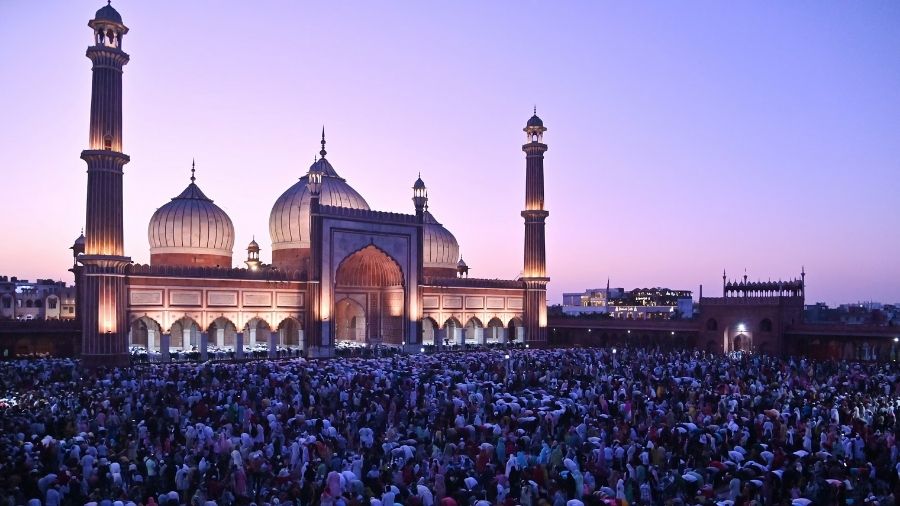
Eid al-Adha is fundamentally about selflessness. Muslims demonstrate compassion and understanding by sharing Qurbani meat. To ensure that even remote populations can benefit from the festival’s blessings, numerous Islamic charities, such as the national Qurbani programs and Islamic Relief, organize international meat distributions to conflict areas or underprivileged communities.
To strengthen trust and accountability, local mosques and community centers frequently collaborate with businesses like Express Business Service to manage donor databases, expedite donation campaigns, and enable open reporting on meat distribution.
Common Foods and Festive Dishes of Eid al-Adha
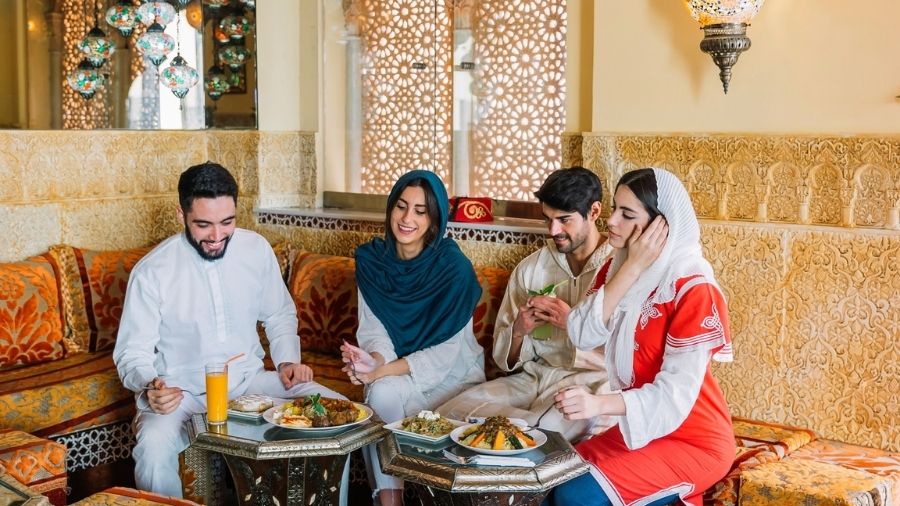
During Eid al-Adha, food brings people together, with local specialties taking center stage
1. Arab World – Sweet ma’amoul date cookies, kabsa (spicy rice), and grilled lamb chops.
2. South Asia – South Asian dishes include sheer khurma (milk-date dessert), nihari (slow-cooked stew), sewaiyan (vermicelli pudding), and mutton biryani.
3. Southeast Asia – curry laksa, ketupat (rice cakes), and rendang (spicy coconut beef).
4. Turkish and Central Asian – baklava, mantı (dumplings), and lamb pilaf.
5. African – Egyptian fattah (rice, bread, and meat layered dish), Nigerian suya (spicy meat skewers), and Moroccan mechoui.
Sharing leftovers with neighbors promotes unity, and communal feasting—and occasionally potluck gatherings—strengthens ties.
Eid al-Adha Prayers and Community Gatherings
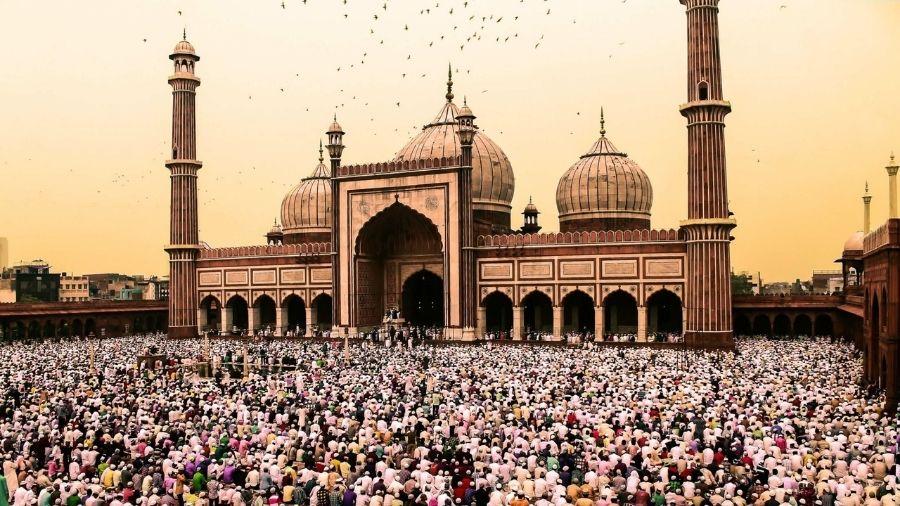
Families take a bath, dress to impress, and leave for the mosque or designated prayer area early on the day of Eid. The short Eid sermon frequently focuses on fostering community ties, compassion, and thankfulness. Following prayer, local businesses—often with assistance from Express Business Service—erect festive booths for games, crafts, and charity drives, communities hold outdoor breakfasts, and kids recite Takbirs.
In addition to the mosque, many towns host cultural fairs that feature calligraphy, traditional music, and family-friendly events. These kinds of events help to preserve social harmony and preserve cultural heritage for future generations.
Modern Observances and Changing Traditions
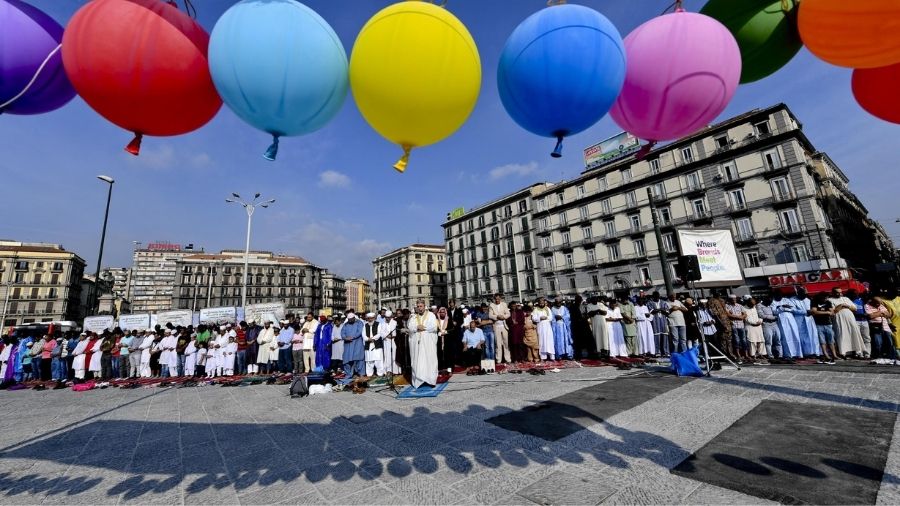
Although the fundamental rituals have not changed, contemporary influences have added new elements.
1. Digital Greetings & E-Cards – Personalized animations, video messages, and virtual Eid cards are all the rage on social media platforms. For corporate clients, Express Business Service provides branded e-card solutions that allow for personalized greetings that showcase the aesthetics and values of the business.
2. Corporate Celebrations – To promote diversity and inclusion in the workplace, multinational corporations are increasingly hosting interfaith Iftar and Eid events, complete with live cooking stations and cultural presentations.
3. Sustainable Qurbani – Thanks to tech-driven platforms, donors can now choose environmentally friendly Qurbani options like organic or grass-fed livestock and follow the welfare of the animals through real-time video feeds.
4. Trends in Fashion and Modesty – Designers are fusing modern designs with traditional modest attire, which has led to an explosion of festive collections that are displayed in pop-up shops and virtual runways.
5. Virtual Gatherings – Online potluck recipes and video calls have become standard for scattered families, guaranteeing that no one is left behind despite geographical distances.
In a world that is changing quickly, these innovations enhance traditional customs and make Eid al-Adha accessible and relevant.
Conclusion
Eid al-Adha 2025 is expected to be a heartfelt celebration of compassion, community, and faith. The festival blends spiritual contemplation with joyful celebration, from the historical account of Ibrahim’s ultimate sacrifice to the aroma of spiced lamb shared among loved ones.
Eid al-Adha’s core values—unwavering submission to the Divine, generosity toward others, and the warmth of togetherness—remain true whether it is celebrated through customary practices like the Eid prayer and Qurbani or through more contemporary manifestations like digital greetings and sustainable projects.
Think about how your community, company, or family can celebrate these age-old customs as you get ready for Eid al-Adha 2025. Additionally, services like Express Business Service are available to help those planning big parties or corporate campaigns make sure that your Eid communications and events reflect your values and the lively spirit of the Festival of Sacrifice.
Also Read: Ultimate Riyadh Park Guide 2025: Best Things To Do


